







What is meditation?

Meditation is a practice that involves focusing the mind on a particular object, thought, or activity to achieve a state of mental clarity, emotional calmness, and increased awareness. The benefits mentioned are often reported by individuals who regularly engage in meditation.

Benefits of Meditation

Decreased symptoms of anxiety, depression: Through meditation, individuals can develop skills to observe their thoughts and emotions without being overwhelmed by them. This can lead to reduced reactivity to stressful situations and better management of anxiety, depression, and trauma-related symptoms.

Improved ability to think, concentrate, and solve problems: Meditation cultivates mindfulness, which enhances cognitive functions such as attention, concentration, and problem-solving. By training the mind to stay focused on the present moment, individuals can experience improved cognitive performance and mental clarity.

Better ability to adapt to and overcome emotional problems: Meditation promotes emotional regulation by fostering self-awareness and acceptance of one’s emotions. This can help individuals develop healthier coping mechanisms and resilience in the face of emotional challenges.

Moreover, because mental and physical health are interconnected, the benefits of meditation often extend to various aspects of physical well-being: improved sleep, lowered blood pressure, enhanced heart function.

Overall, meditation is a holistic practice that promotes overall well-being by fostering mental clarity, emotional balance, and physical health.

yoga

What is yoga?

Yoga is an ancient practice that originated in India and has evolved over thousands of years. It encompasses a wide range of techniques and practices aimed at integrating the body, breath, and mind to promote physical, mental, and spiritual well-being.

Key components of yoga include:

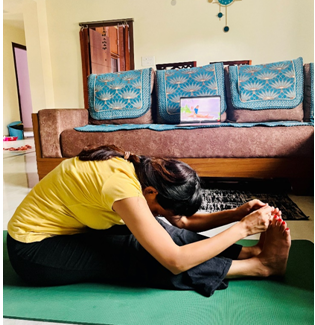
1.Physical postures (asanas): Yoga involves various poses or postures that stretch, strengthen, and balance the body. These asanas help improve flexibility, muscle tone, and overall physical fitness.

2.Breathing exercises (pranayama): Pranayama techniques focus on controlling the breath to enhance vitality and mental clarity. Breathing exercises in yoga promote relaxation, reduce stress, and increase energy levels.

3.Meditation and mindfulness: Yoga incorporates meditation practices to cultivate inner peace, concentration, and self-awareness. Meditation techniques in yoga range from simple mindfulness exercises to more advanced contemplative practices.

Exercise

Incorporating exercise into the treatment regimen, including during chemotherapy, has been suggested to provide several clinical benefits for breast cancer patients. Some of these benefits include:

1.Improved chemotherapy completion: Regular exercise has been associated with better tolerance to chemotherapy treatment. It can help mitigate some of the side effects such as fatigue, nausea, and reduced immune function, thus allowing patients to adhere more effectively to their chemotherapy schedule.

2.Reduced fatigue: Exercise has been shown to alleviate cancer-related fatigue, which is one of the most common and distressing side effects experienced by cancer patients undergoing treatment. Engaging in physical activity can increase energy levels and overall stamina.

3.Enhanced quality of life: Physical activity can improve mood, reduce anxiety and depression, and enhance overall well-being during chemotherapy. It provides a sense of control and empowerment over one’s health and can serve as a positive distraction from the challenges of cancer treatment.

4.Maintained physical function: Regular exercise helps preserve muscle mass, joint mobility, and overall physical function, which can be compromised during chemotherapy. Maintaining physical activity levels can prevent or minimize the decline in functional status that may occur during treatment.

5.Potential improvement in treatment outcomes: While more research is needed, some studies suggest that exercise may positively impact treatment outcomes in breast cancer patients, such as reducing the risk of cancer recurrence and improving survival rates. However, further investigation is required to fully understand the mechanisms underlying this potential benefit.

Helpful video

Playlist

3 Videos

Special Thanks to

Playlist

3 Videos

Special Thanks to